Discover Timmy’S Rasta Pasta
There’s a certain charm in places that feel like home from the moment you walk in, and Timmy’S Rasta Pasta at 25800 Industrial Blvd, Hayward, CA 94545, United States, is exactly that kind of spot. Tucked away in a laid-back industrial corner, it may not look like much from the outside, but once you step through those doors, the aroma of jerk spices and creamy pasta sauces wraps around you like a warm hug. Locals swear by it, and after just one visit, it’s easy to see why.
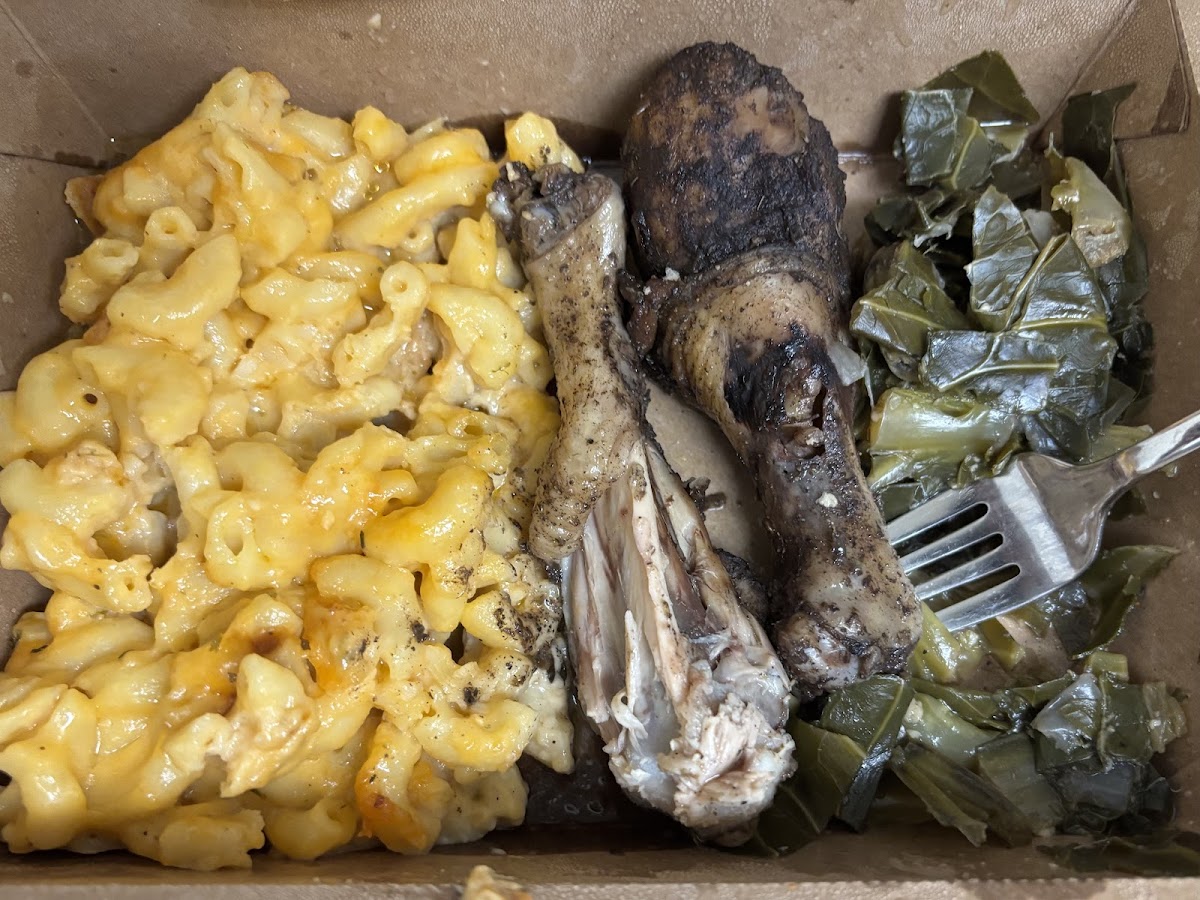
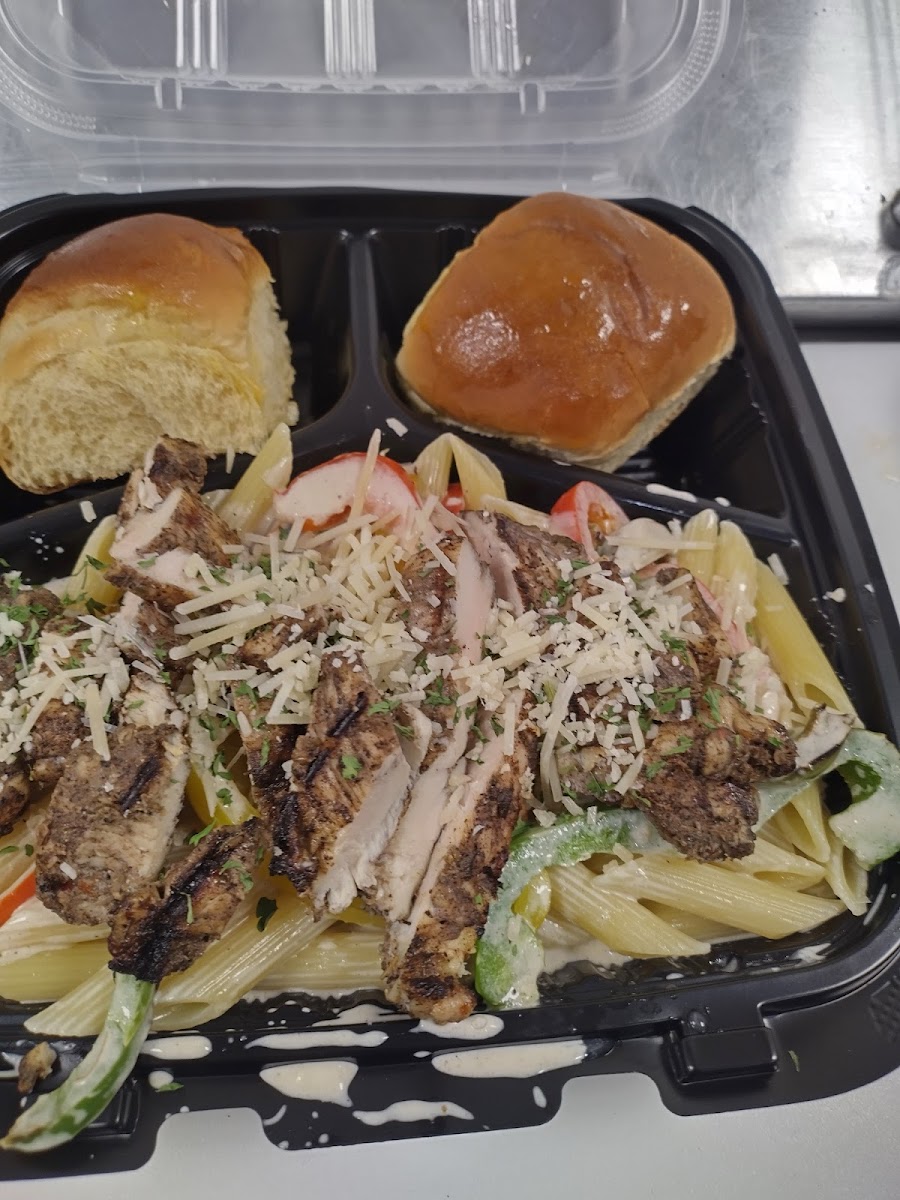
The menu is a vibrant mix of Caribbean soul and Italian comfort. Imagine the punch of scotch bonnet peppers meeting the smoothness of fettuccine Alfredo-an unexpected yet perfect blend. Their signature Rasta Pasta is a swirl of color and flavor: tender chicken or shrimp tossed with bell peppers, jerk seasoning, and that irresistible creamy sauce that balances heat and richness just right. For vegetarians, there’s a plant-based version that’s equally satisfying, bursting with seasoned veggies and coconut milk. It’s food that feels alive, seasoned by experience and culture rather than just ingredients.
I first heard about Timmy’s from a coworker who couldn’t stop raving about their oxtail Rasta Pasta. Skeptical, I decided to give it a shot during a lunch break. One bite in, and I understood the hype. The oxtail was slow-cooked until it melted into the sauce, creating layers of deep, savory flavor that lingered with every forkful. A quick glance around revealed everyone doing the same-quietly devouring their meals, occasionally breaking the silence with an appreciative “this is so good.”
From an expert’s perspective, this kind of flavor harmony isn’t accidental. It’s the result of culinary craftsmanship rooted in Caribbean tradition. According to the Food Network, jerk seasoning is one of the oldest continuously used spice blends in the world, combining native allspice and Scotch bonnet peppers in a mix that dates back centuries. Timmy’s approach honors that heritage but updates it for modern palates. The balance between spice and cream shows an understanding of how flavor interacts with texture-something professional chefs spend years mastering.
Even the smaller details speak volumes. The restaurant’s layout is cozy, with reggae tunes floating through the air and walls adorned with Jamaican-inspired art. The staff greet you with genuine smiles, offering suggestions from the menu if it’s your first time. You can tell they’re proud of what they serve-and rightfully so. Food critics from local Bay Area food blogs have praised Timmy’s for bringing “authentic island flavor to Hayward,” and it has steadily earned glowing reviews on Yelp and Google Maps.
Timmy’s isn’t just about food; it’s about connection. Families gather here on weekends, sharing plates of spicy shrimp pasta and laughter. College students drop by after class, drawn by the affordable prices and hearty portions. During my second visit, I struck up a conversation with the owner, Timmy himself-a cheerful man with a chef’s coat dusted in flour and jerk seasoning. He explained how his recipes were inspired by his grandmother’s cooking in Kingston, where Sunday dinners meant large gatherings and loud laughter. That sense of warmth carries into every plate served here.
Quality-wise, the ingredients make a difference. The peppers are fresh, the sauces made daily, and the pasta perfectly al dente. A 2024 report from the National Restaurant Association found that diners are increasingly seeking “authentic, globally inspired comfort food,” and Timmy’s delivers exactly that. The flavors are real, not watered down, yet accessible enough for anyone new to Caribbean cuisine.
The only challenge? Once you’ve had it, other pasta dishes might start feeling a little dull. The spice level can be bold, so if you’re not into heat, let the staff know-they’ll adjust it for you. But honestly, that kick of spice is part of what makes it unforgettable.
Whether you’re grabbing takeout after work or sitting down for a slow, flavor-packed meal, Timmy’s Rasta Pasta stands out as one of Hayward’s hidden gems. It’s a reminder that good food doesn’t need fanfare; it just needs passion, culture, and a story worth sharing.